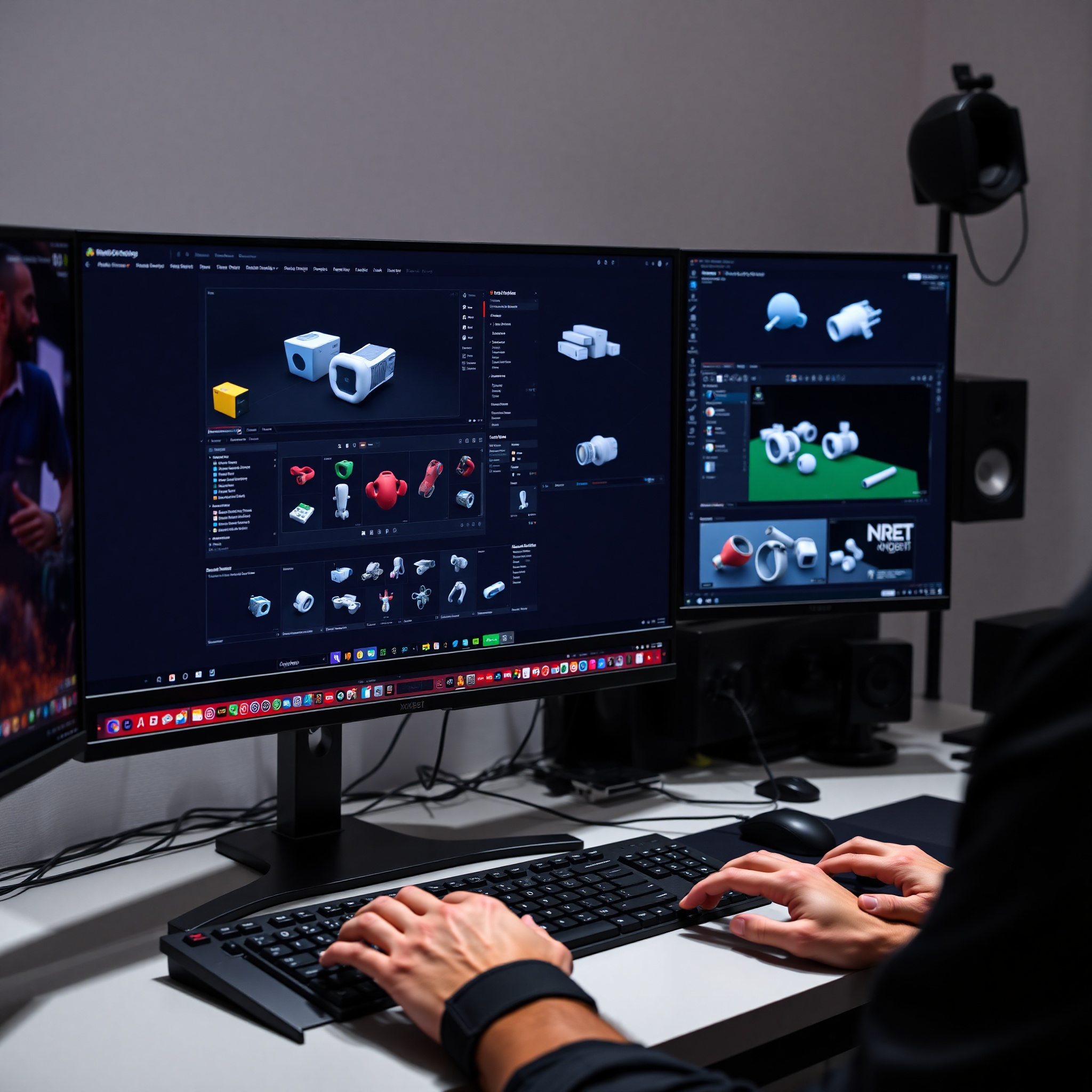
Mastering 3D Modeling for Sports Commercials
Learn essential 3D modeling techniques used in premium sports advertising to create high-fidelity product models with authentic detail.
Read ArticleMaster the art of professional lighting setups and advanced rendering techniques that elevate your 3D animations to Hollywood standards. Learn how industry professionals create stunning visual narratives through strategic lighting and rendering optimization.
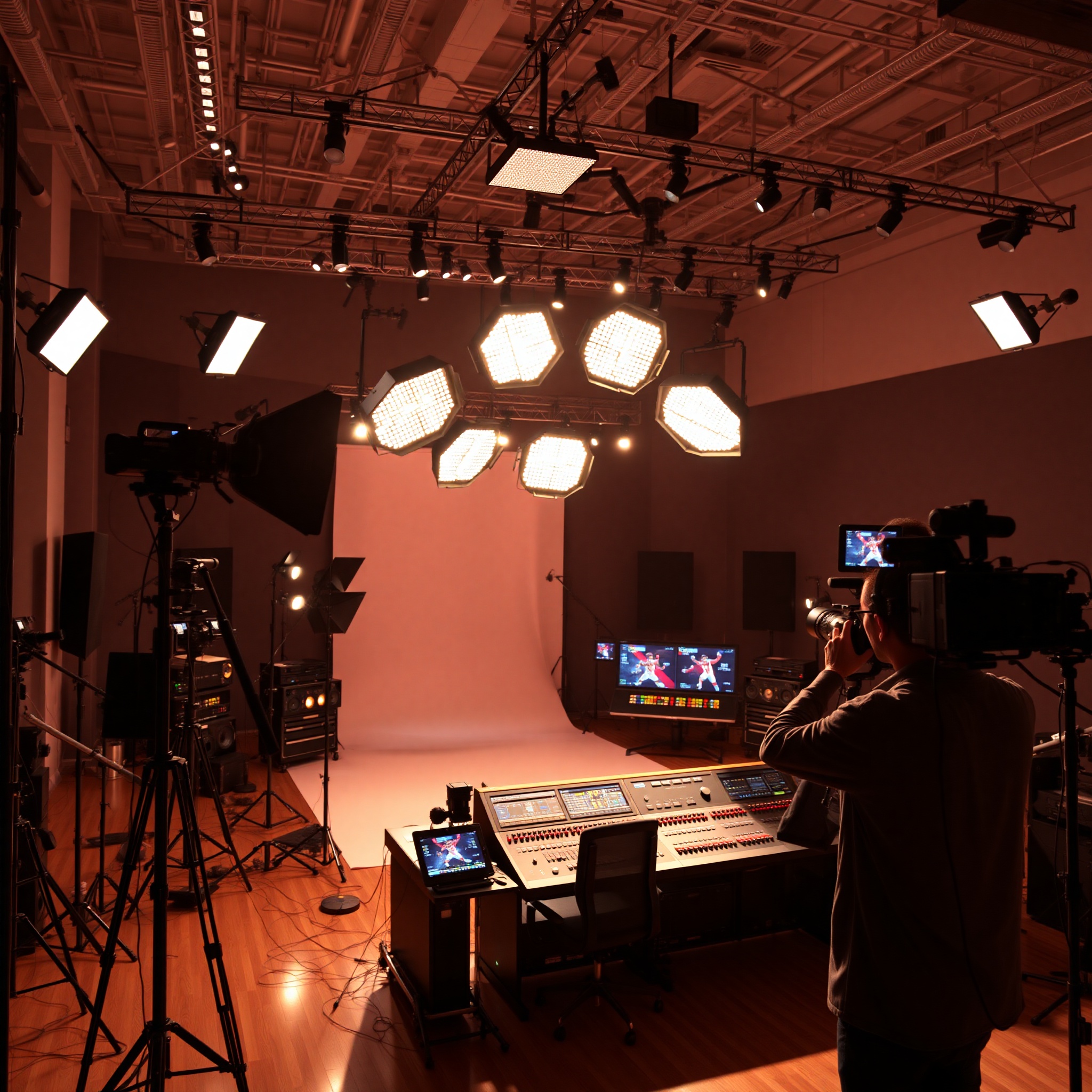
Cinematic lighting is the foundation of professional 3D animation and visual storytelling. Unlike technical lighting that simply illuminates a scene, cinematic lighting serves a narrative purpose—it guides the viewer's eye, establishes mood, and conveys emotional depth. The principles borrowed from film cinematography apply directly to 3D animation, creating a visual language that audiences instinctively understand and respond to.
The three-point lighting system remains the industry standard for professional productions. This technique combines a key light (primary illumination), fill light (shadow detail), and back light (separation and dimension) to create dimensionality and visual interest. When properly executed, this system produces images with depth, contrast, and visual hierarchy that naturally draw viewers' attention to important elements.
Understanding color temperature and light quality is equally critical. Professional animators manipulate these variables to create psychological responses—warm lighting conveys intimacy and comfort, while cool tones suggest tension or futuristic environments. The contrast between hard and soft light sources determines how dramatically shadows fall and how much detail remains visible in shadowed areas.
Rendering is where lighting design becomes reality. Modern rendering engines offer multiple approaches, each with distinct advantages for different project requirements. Path tracing provides photorealistic results by simulating how light physically behaves, while deferred rendering excels at managing numerous light sources efficiently. Choosing the right rendering method depends on balancing quality requirements against production timelines and computational resources.
Determine whether to use real-time global illumination, baked lightmaps, or a hybrid approach. Each method affects render times, quality, and iterative flexibility. Baked solutions offer speed for static scenes, while real-time GI provides flexibility for dynamic content.
Shadow quality dramatically impacts perceived lighting quality. High-resolution shadow maps with appropriate filtering (percentage-closer filtering or variance shadow mapping) create soft, natural shadows. Low-resolution or poorly filtered shadows immediately signal amateurish work.
Screen-space reflections work efficiently but have limitations. For hero shots requiring photorealistic reflections, planar reflections or environment mapping provide superior results. Refraction quality similarly benefits from higher sampling rates on transparent materials.
Skin, leaves, and translucent materials require subsurface scattering for convincing appearance. Implementing SSS correctly requires careful parameter tuning and can significantly increase render times, necessitating strategic use on key characters.
The relationship between lighting design and rendering method is symbiotic. Skilled lighting artists understand rendering engine capabilities and design lighting that showcases these strengths while working within computational constraints. This knowledge prevents over-ambitious lighting setups that create excessive render times without corresponding visual improvements.
Professional commercial work—like premium sports advertising and brand campaigns—demands lighting approaches that communicate specific messages quickly and effectively. Different product categories and brand personalities require distinct lighting philosophies. Understanding these conventions enables you to meet client expectations while maintaining creative excellence.
Sports product advertising requires dramatic, energetic lighting that emphasizes performance and athleticism. This typically involves:
This lighting approach creates images that immediately read as premium, energetic, and performance-focused—exactly the message sports brands want to communicate to audiences.
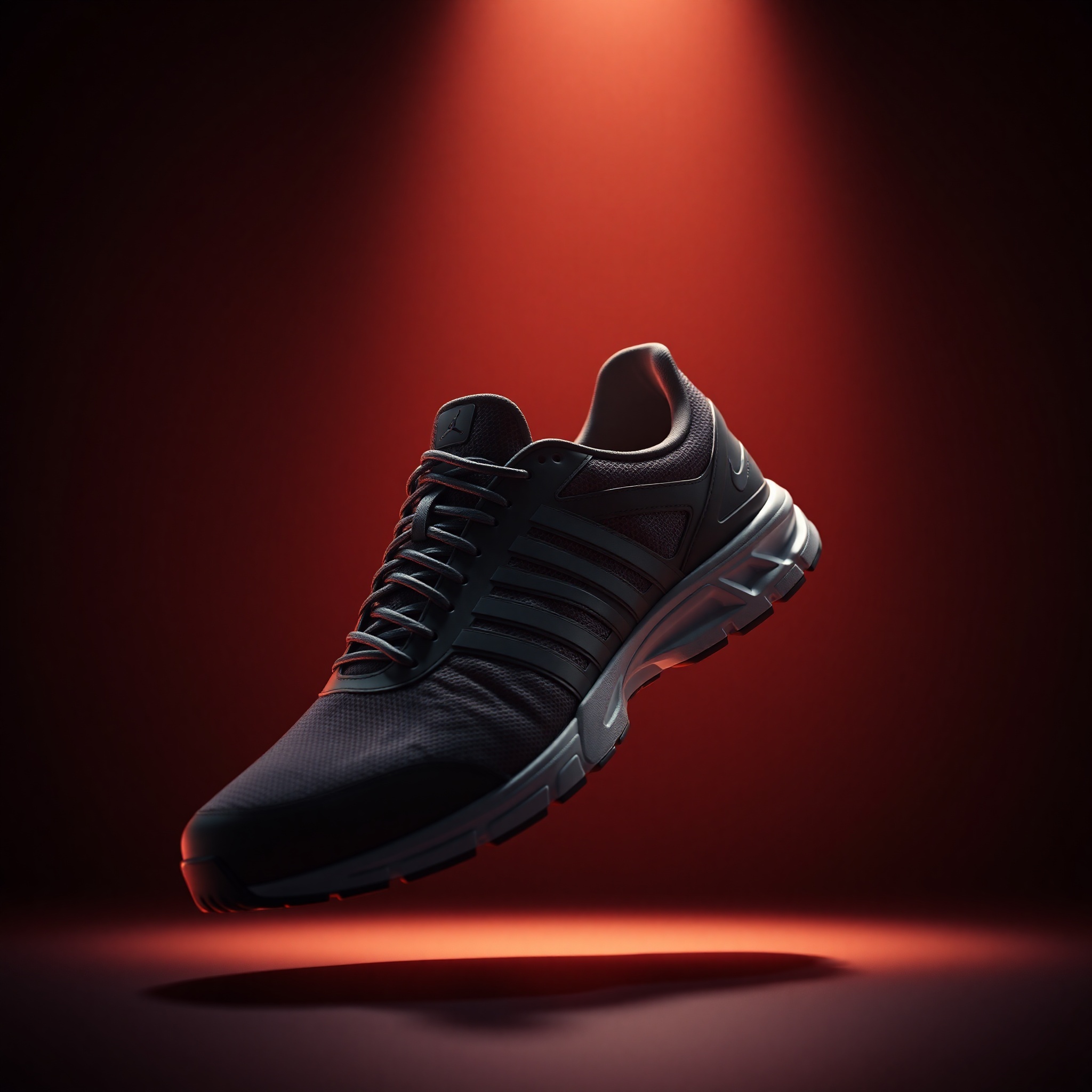
Luxury products demand entirely different lighting approaches—refined, controlled, and emphasizing material quality and craftsmanship. Key characteristics include:
Professional lighting transcends technical execution—it communicates emotion and narrative. Color temperature, saturation, and the interplay between different colored light sources create psychological responses that viewers experience instinctively. Understanding color theory enables animators to use light as a storytelling device.
Warm lighting (yellows, oranges, reds) triggers associations with comfort, energy, and familiarity. These tones work excellently for human-centric narratives, hospitality settings, and products meant to convey approachability. Warm light psychologically makes viewers feel welcomed and engaged.
Cool lighting (blues, cyans, purples) suggests distance, technology, and sophistication. These tones excel in sci-fi contexts, luxury positioning, and situations requiring emotional distance. Cool lighting creates contemplative, sometimes melancholic moods.
When designing lighting for specific narratives, consider these color applications:
Warm golden light creates associations with success, nostalgia, and optimism. Useful for inspirational narratives and product reveals. Technically achieved through warm color temperature (3000-4000K) with controlled contrast.
Opposing warm and cool light sources create visual tension and modern aesthetics. Particularly effective for commercial work targeting younger demographics and technology-focused brands.
Single-color dominant lighting creates cohesive, stylized looks. Effective for establishing brand identity and creating distinctive visual signatures across multiple campaign videos.
Mimicking real-world lighting conditions creates credibility and relatability. Particularly important for documentary-style commercial work and authentic brand storytelling.
Master animators develop intuitive understanding of how specific color combinations trigger emotional responses. This intuition comes from deliberate study and practice—analyzing professional commercials, films, and photography to understand why certain lighting choices feel appropriate and effective.
Mastering cinematic lighting and rendering separates professional animators from amateurs. The foundation—three-point lighting, understanding color theory, and appropriate rendering strategies—creates technically sound work. Building upon this foundation with emotional intelligence about color and composition elevates work to industry standard.
Professional commercial work demands understanding specific genre conventions while maintaining creative integrity. Sports products require dramatic, energetic lighting. Luxury items demand refined, controlled approaches. Successful animators flexibly apply these principles based on project requirements and brand positioning.
Continuous refinement through studying professional work, experimenting with different approaches, and receiving feedback from industry peers accelerates skill development. Every project provides opportunities to deepen understanding of how lighting choices affect viewer perception and emotional response. This intentional practice transforms technical knowledge into creative mastery.