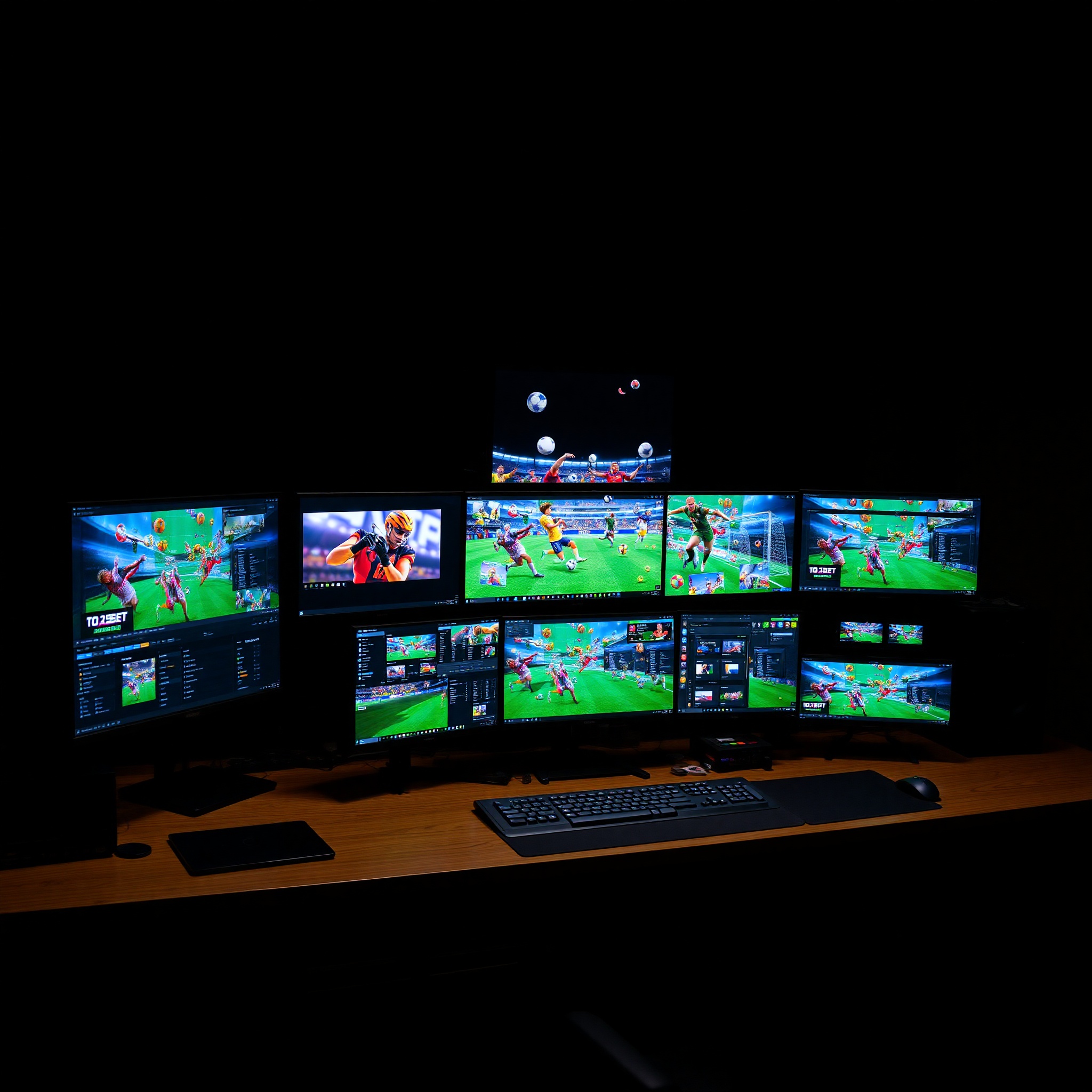
Dynamic Motion Graphics Techniques
Discover professional motion graphics methods to bring static designs to life with compelling animations and visual effects that engage viewers.
Explore ArticleLearn the professional techniques and advanced strategies used to create stunning 3D visuals for premium sports advertising campaigns. From product visualization to dynamic character animation, master the skills that power the industry's most compelling commercials.
Professional sports commercials demand a deep understanding of both technical 3D modeling capabilities and creative storytelling. The foundation begins with mastering industry-standard software and understanding the unique requirements of sports advertising—where milliseconds matter and visual impact is paramount.
The best 3D artists in sports advertising combine several critical competencies: precise geometric modeling, photorealistic material creation, dynamic lighting setups, and an intuitive grasp of how products interact with athletes and environments. Premium campaigns like those in the sports betting industry showcase products with stunning clarity and energy, requiring models built to withstand extreme close-ups and rapid camera movements.
Understanding your tool deeply means knowing its strengths and limitations. Sports commercials often demand quick turnarounds and multiple iterations—your workflow efficiency directly impacts project success. Whether you're building athletic equipment, character rigs, or stadium environments, mastering keyboard shortcuts, custom scripts, and efficient modeling techniques separates professional artists from amateurs.
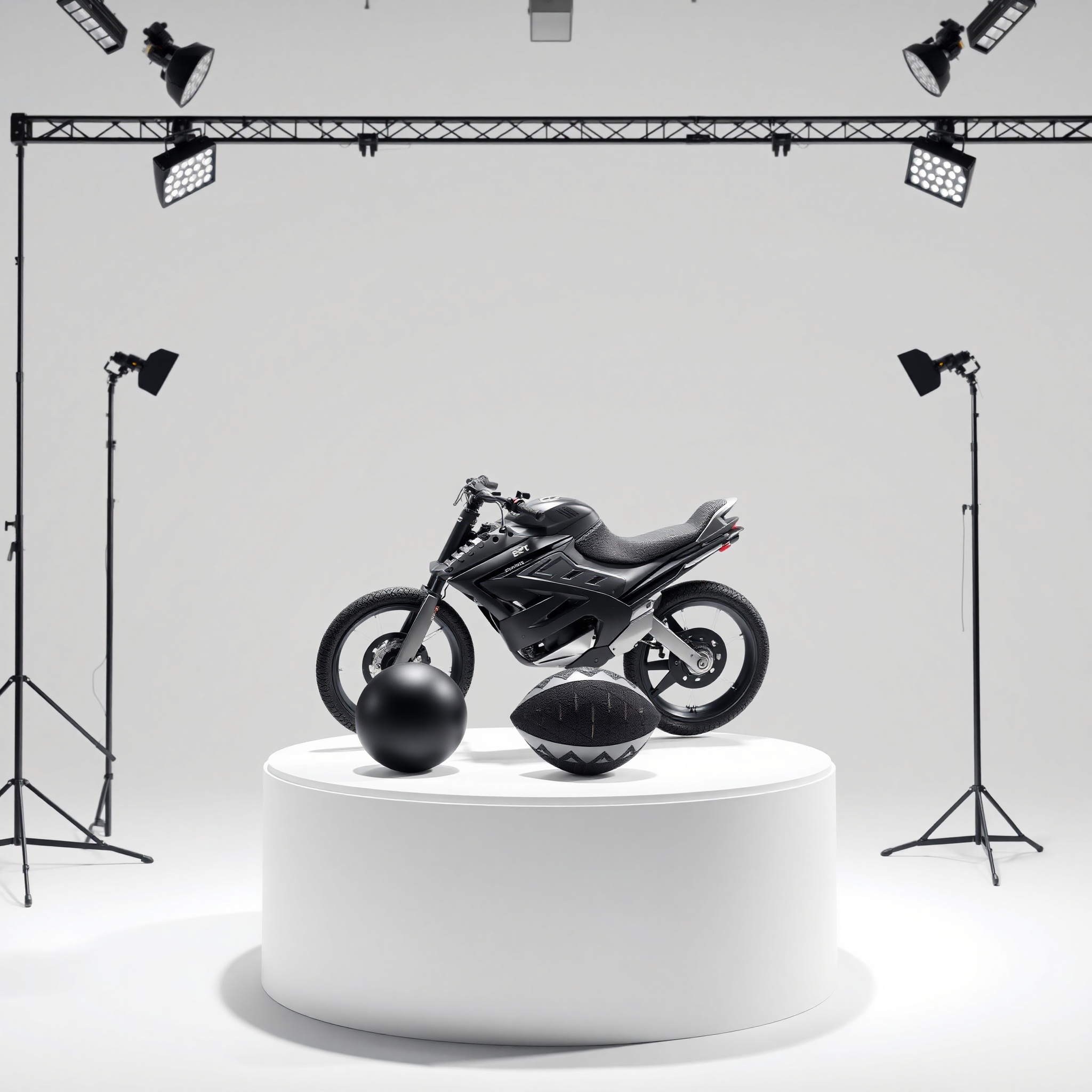
Sports products demand extraordinary visual fidelity. Whether modeling sports equipment, athletic wear, or betting platform interfaces, your 3D models must capture every material nuance—from the subtle grain of leather on a football to the chrome reflection on a luxury watch worn by an athlete.
Photorealistic materials begin with understanding physically-based rendering (PBR) principles. Every surface—metal, plastic, fabric, glass—has specific properties: albedo (base color), roughness, metallic values, and normal maps that define surface detail. In sports commercials, these properties must accurately represent real products while remaining visually striking under dramatic lighting.
Creating believable athlete characters demands more than just modeling realistic anatomy—it requires sophisticated rigging systems that allow natural, dynamic movement. Professional sports commercials showcase athletes in peak performance, which means your rigs must support extreme poses, rapid movements, and dynamic deformation.
Build anatomically accurate bone hierarchies with proper joint placement, allowing natural range of motion and avoiding gimbal lock during extreme athletic poses.
Implement muscle flex systems and tissue deformation that responds to skeleton movement, creating organic shapes during dynamic action sequences.
Master inverse and forward kinematics to enable flexible animation control—essential for sports movements where foot placement matters as much as upper body motion.
Create realistic fabric simulation and hair systems that respond dynamically to motion, wind, and gravity for authentic athletic movement.
Professional athletes in commercials perform superhuman feats—explosive jumps, powerful sprints, dynamic catches. Your rigs must support not just anatomically possible movements but also the exaggerated performance required for visual storytelling. This means building systems with enough flexibility for animators to push beyond normal limits while maintaining believability.
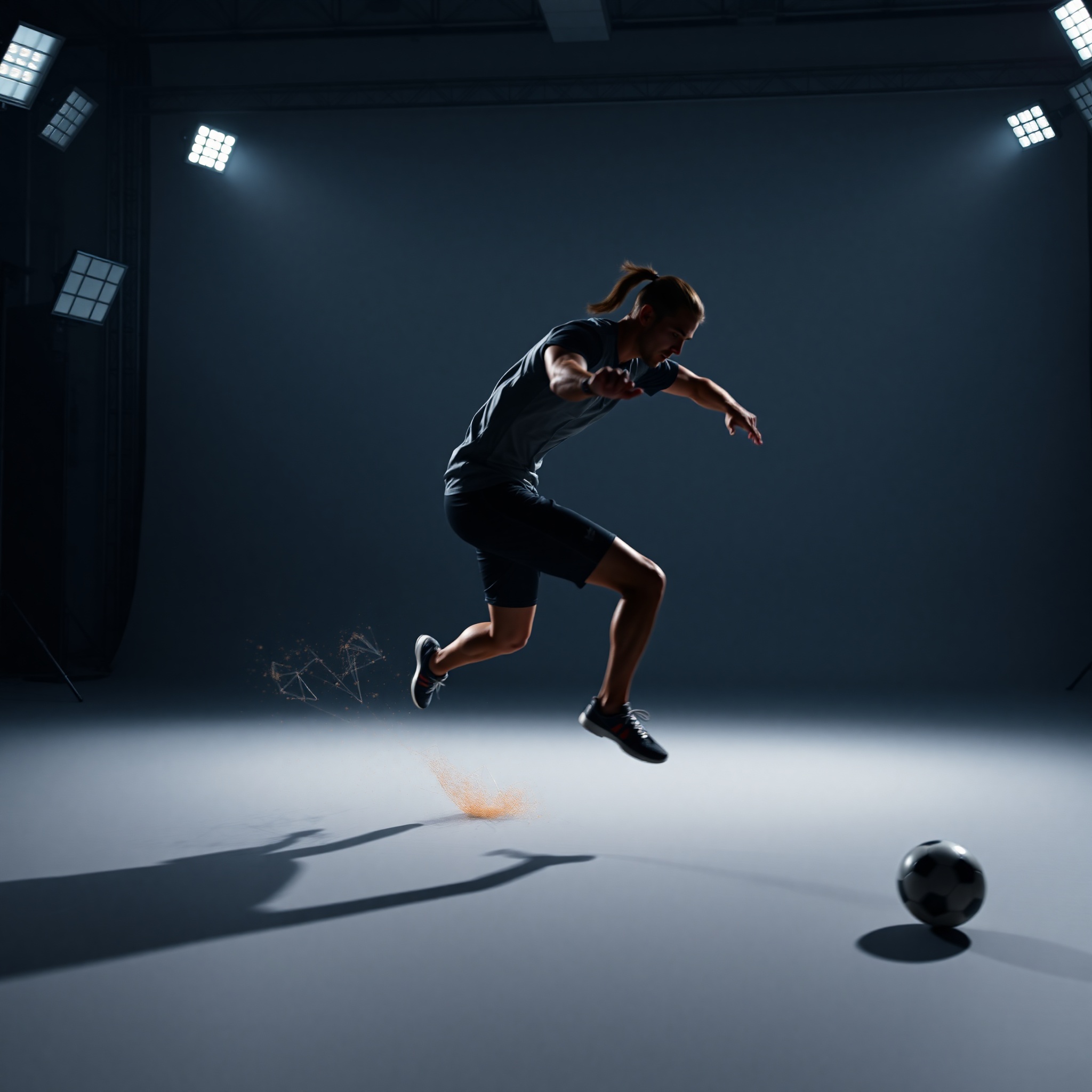
The difference between average 3D work and award-winning sports commercials often comes down to rendering quality and lighting artistry. Professional renders demand patience, technical expertise, and artistic vision—understanding how light sculpts form, emphasizes product features, and creates emotional impact.
Even in complex commercial setups, fundamental three-point lighting principles remain essential. The key light establishes form, fill light reveals shadow detail, and back light separates subjects from backgrounds. Master these fundamentals before adding advanced techniques.
Advanced rendering in sports commercials involves techniques like subsurface scattering for skin authenticity, volumetric lighting for atmosphere, and depth-of-field effects that mimic cinema camera behavior. These techniques demand computational power and careful optimization—render times for broadcast-quality frames can reach hours per image.
Working on professional sports commercial projects means understanding production pipelines, asset management, and collaboration workflows. Individual technical skills matter less than the ability to work efficiently within team structures where directors, supervisors, and other departments depend on your output.
Establish clear naming conventions, version control systems, and folder hierarchies. Professional projects might involve hundreds of models, textures, and renders—organization prevents chaos and enables quick asset retrieval.
Learn to distribute rendering across multiple machines, manage render queues, and optimize scene files for farm submission. Understanding render farm workflows dramatically accelerates project completion.
Sports commercials undergo multiple revision rounds—models change, materials are adjusted, lighting gets refined. Master version control to track changes and enable quick reverts if needed.
Develop skills in receiving constructive criticism, presenting work effectively, and translating creative direction into technical implementation. Clear communication prevents misunderstandings that cost time and money.
Professional 3D artists in sports advertising must also understand performance constraints. High-resolution renders require optimization—polygon reduction, texture atlas consolidation, and smart use of geometry instancing. These technical considerations directly impact project timelines and profitability.
The 3D animation industry evolves rapidly. Staying competitive in sports commercial production means understanding emerging trends and developing skills that will remain relevant as technology advances. Real-time rendering, AI-assisted workflows, and procedural modeling increasingly influence professional production.
Engines like Unreal and Unity increasingly handle work traditionally done in offline renderers. Learning real-time techniques enables faster iteration and immediate client feedback during production.
Procedural modeling tools reduce manual labor for creating complex assets. Understanding Houdini and procedural techniques increases efficiency and enables creative experimentation at scale.
AI tools increasingly assist with texture generation, asset creation, and optimization. Forward-thinking artists embrace these tools as productivity multipliers rather than threats to employment.
VR and volumetric video represent emerging frontiers for sports commercials. Understanding 3D spatial composition and volumetric capture prepares you for next-generation commercial production.
Success in professional sports 3D modeling ultimately requires commitment to continuous learning. The best artists invest time in expanding their skill sets, experimenting with new tools, and studying how peers push creative boundaries. Join communities, contribute to open-source projects, and maintain a portfolio that showcases your growing capabilities.
Mastering 3D modeling for sports commercials represents a sophisticated blend of technical expertise, artistic vision, and professional discipline. The path requires investment in learning industry-standard tools, understanding visual storytelling, and developing the collaborative skills necessary in professional production environments. Whether you're visualizing premium athletic products, animating dynamic character performances, or creating immersive stadium environments, the principles remain constant: technical excellence, attention to detail, and unwavering commitment to visual quality.
Begin with fundamentals, invest in quality education, build a strong portfolio, and never stop pushing your creative boundaries. The most successful 3D artists in sports advertising combine deep technical knowledge with authentic passion for visual storytelling. Your dedication to mastering these skills positions you for a rewarding career creating the visuals that captivate millions of viewers worldwide.
Discover professional motion graphics methods to bring static designs to life with compelling animations and visual effects that engage viewers.
Explore Article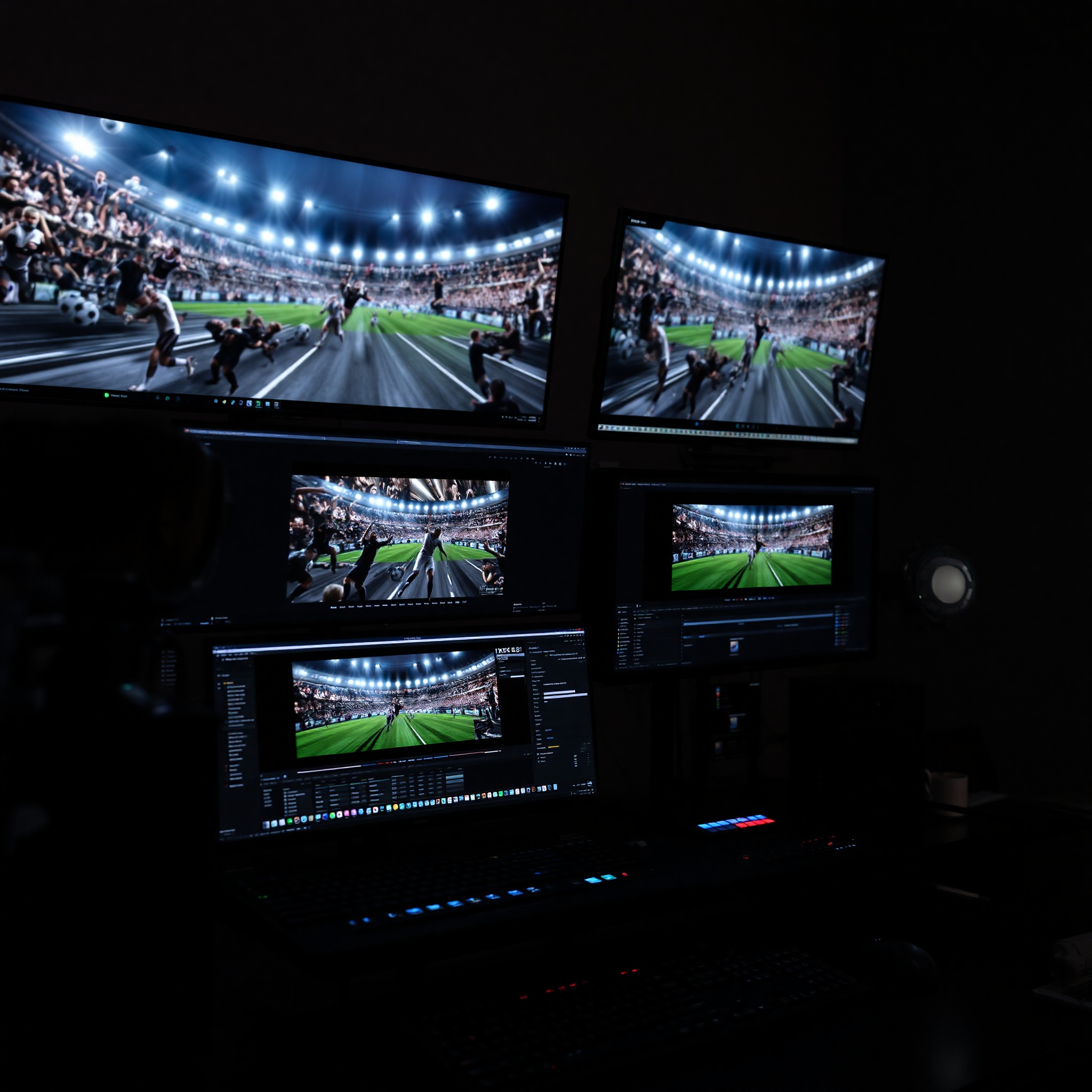
Master advanced compositing techniques to seamlessly integrate 3D elements into live-action footage with photorealistic precision and creative impact.
Explore Article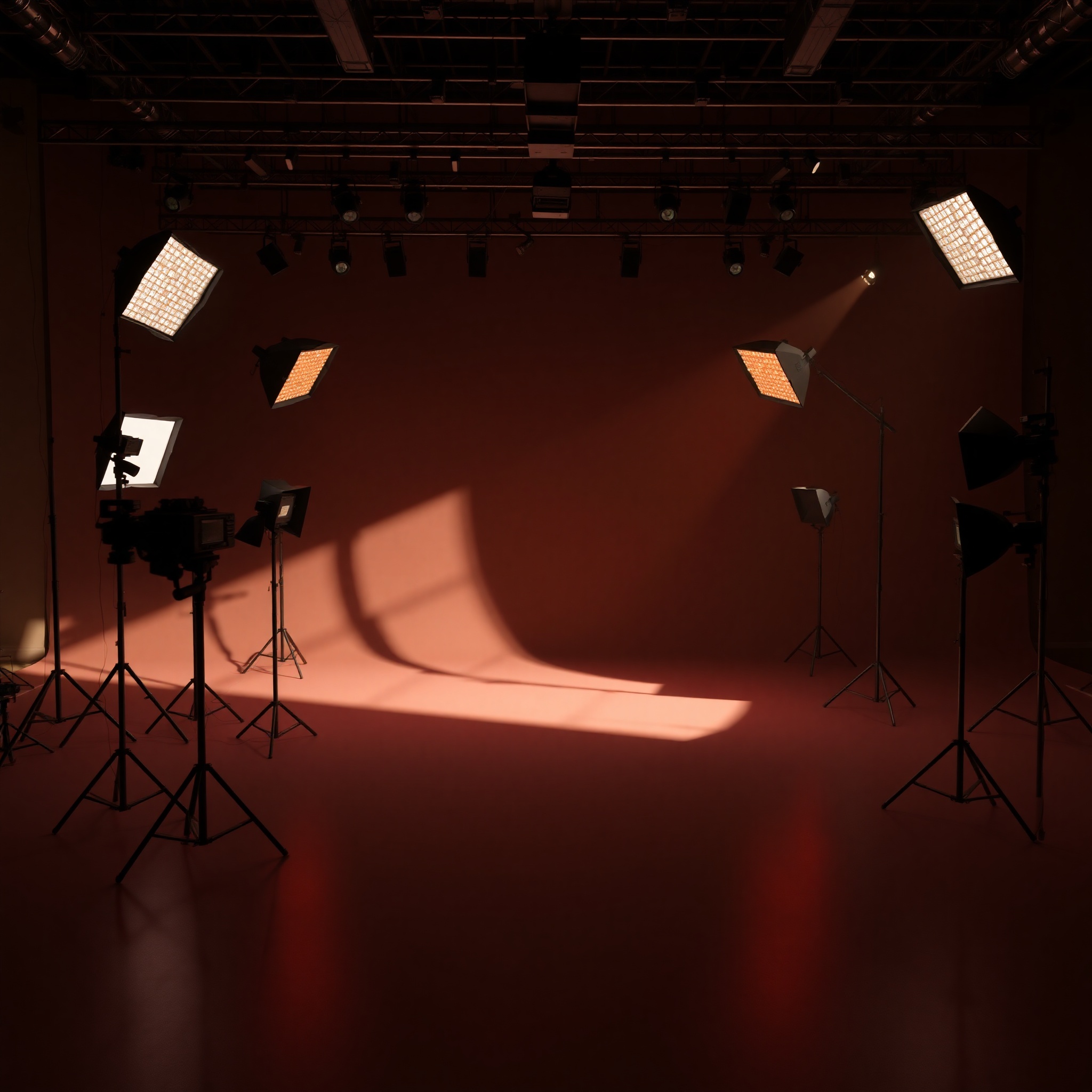
Explore advanced lighting setups and rendering techniques that bring cinematic quality to your 3D work, creating visuals worthy of broadcast and theatrical release.
Explore Article